| #CanadaFacts
Chart of the Week
Discover powerful insights, one chart at a time. Each week, we feature a data-driven visual that highlights a key trend, issue, or story shaping Canada. Whether it’s the economy, environment, health, or trade, our weekly chart provides context, commentary, and credible sources to help you make sense of the numbers. Our Canada Facts series explores insights about Canada, all backed by solid data and designed to keep you informed and intrigued.
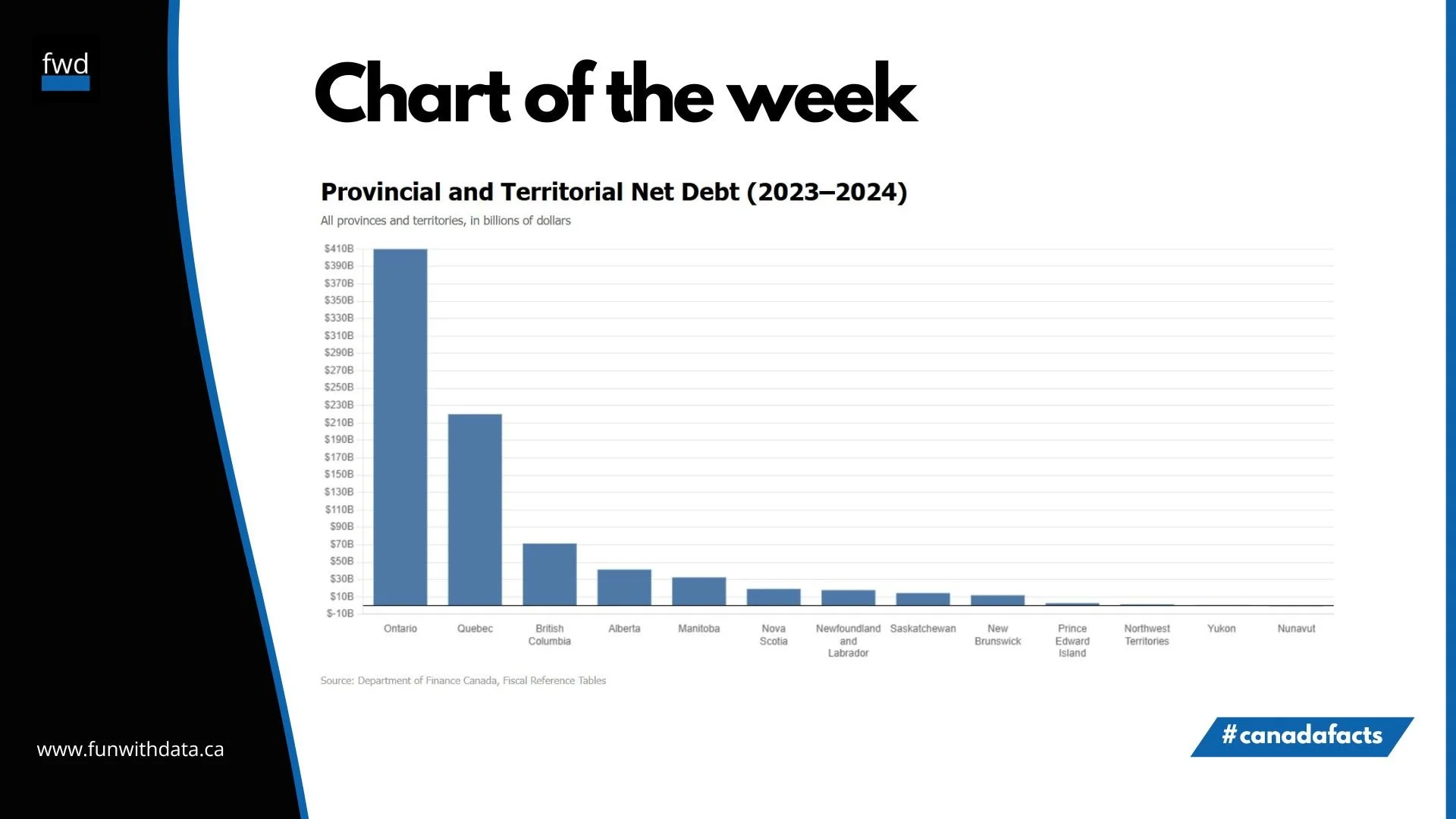
Ontario net debt is highest among Canadian provinces
Canadian provinces and territories had a combined total of $841 billion in debt at the end of the 2023-2024 fiscal year. Almost half ($409 billion) of that belongs to Ontario, the most indebted province in the country, followed by Quebec. See where the provinces and territories rank.
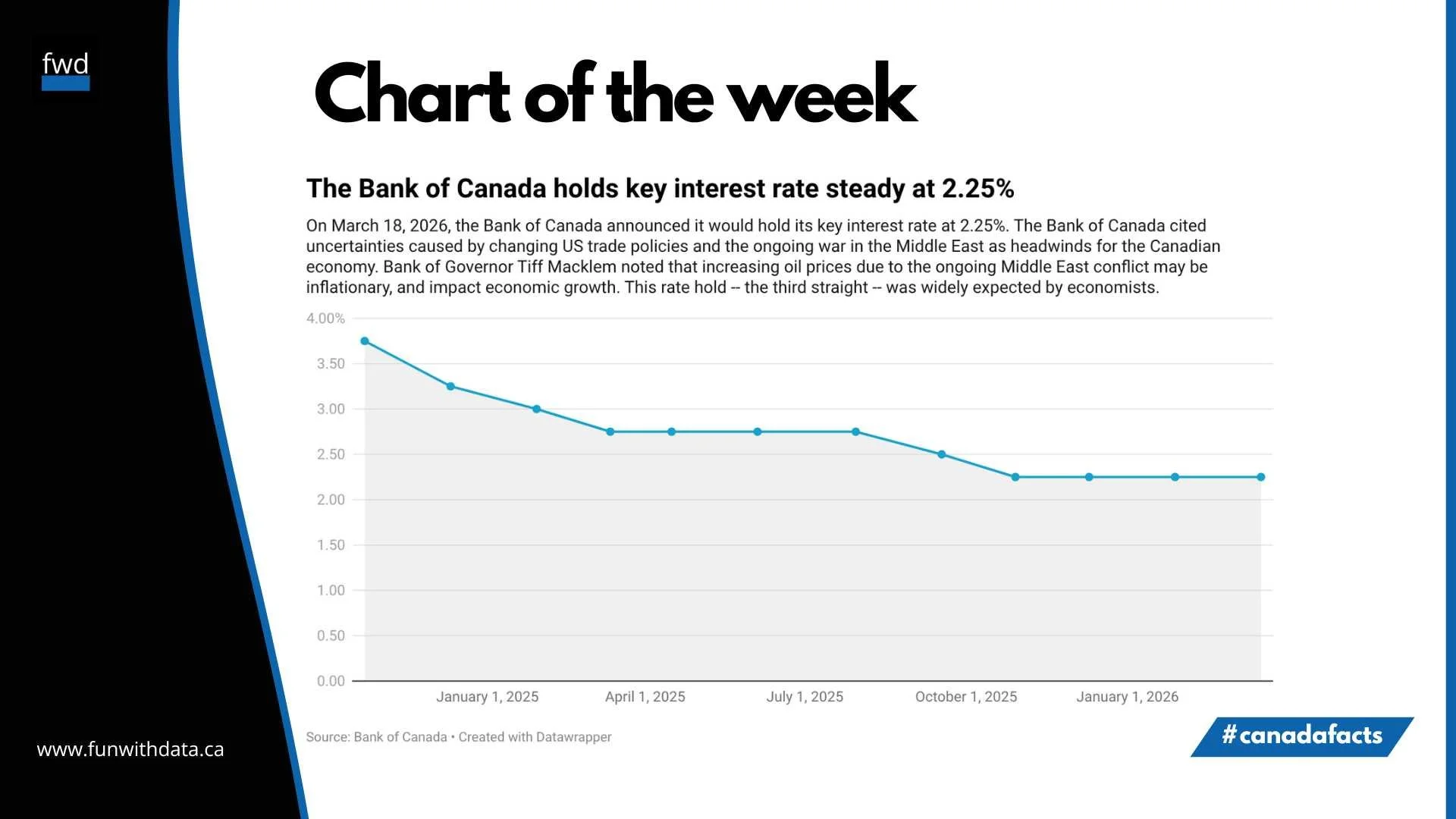
Bank of Canada holds key interest rate steady at 2.25%
On March 18, 2026, the Bank of Canada announced it would hold its key interest rate at 2.25%. The Bank of Canada cited uncertainties caused by changing US trade policies and the ongoing war in the Middle East as headwinds for the Canadian economy.
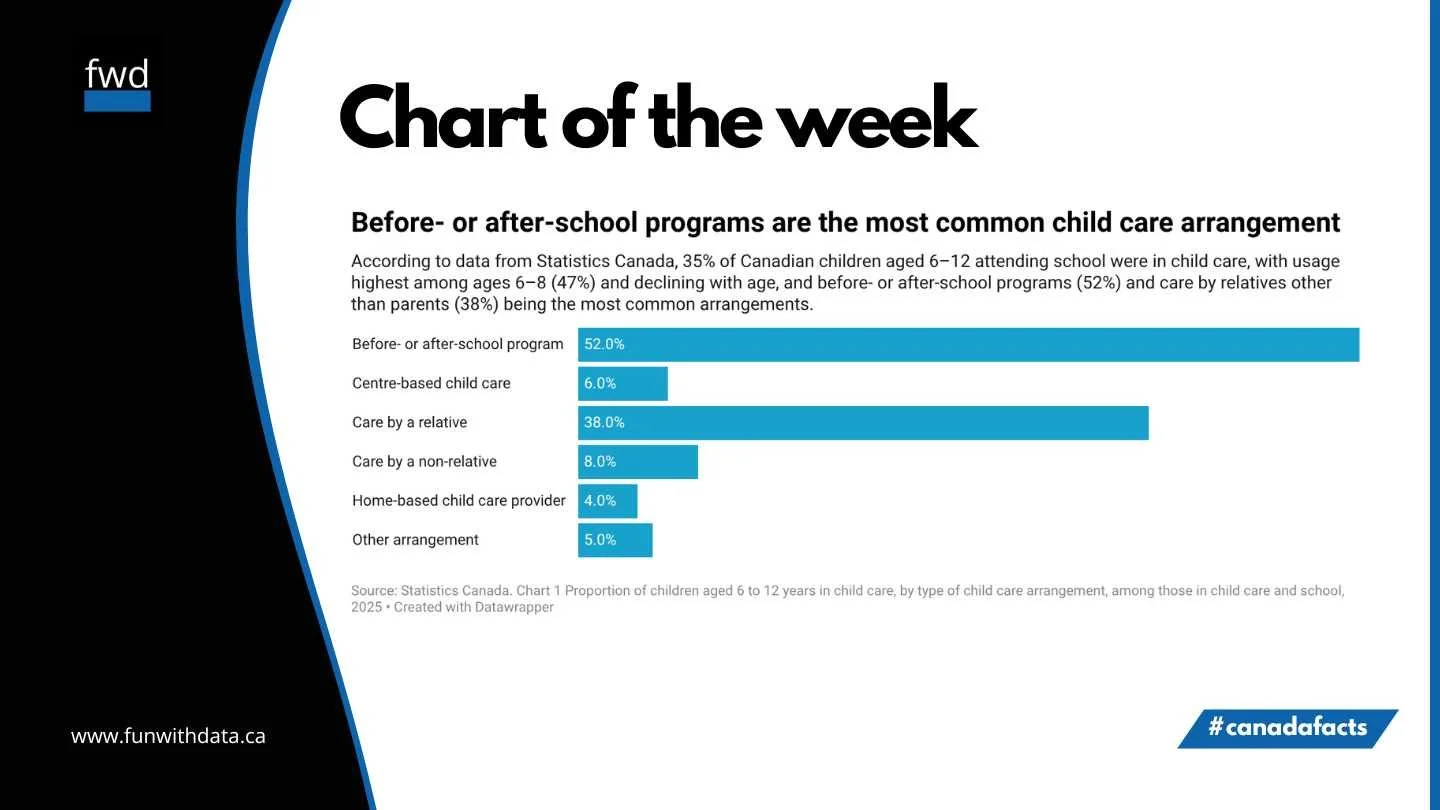
Before- or after-school programs are the most common child care arrangement in Canada
Data from Statistics Canada indicates that in early 2025, 35% of Canadian children aged 6–12 attending school were in child care, with usage highest among ages 6–8 (47%) and declining with age, and before- or after-school programs (52%) and care by relatives other than parents (38%) being the most common arrangements.
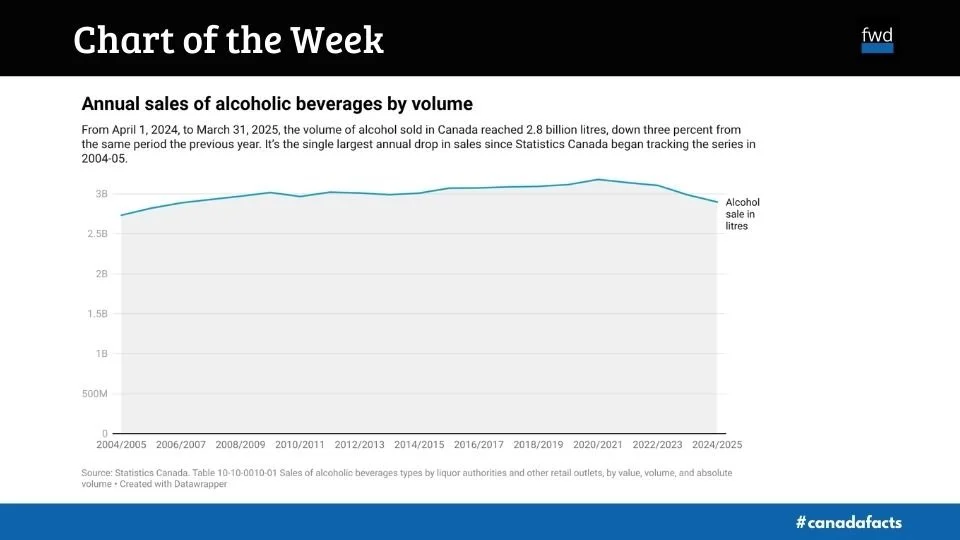
Canadians are buying less alcohol
From April 1, 2024, to March 31, 2025, the volume of alcohol sold in Canada reached 2.8 billion litres, down three percent from the same period the previous year.
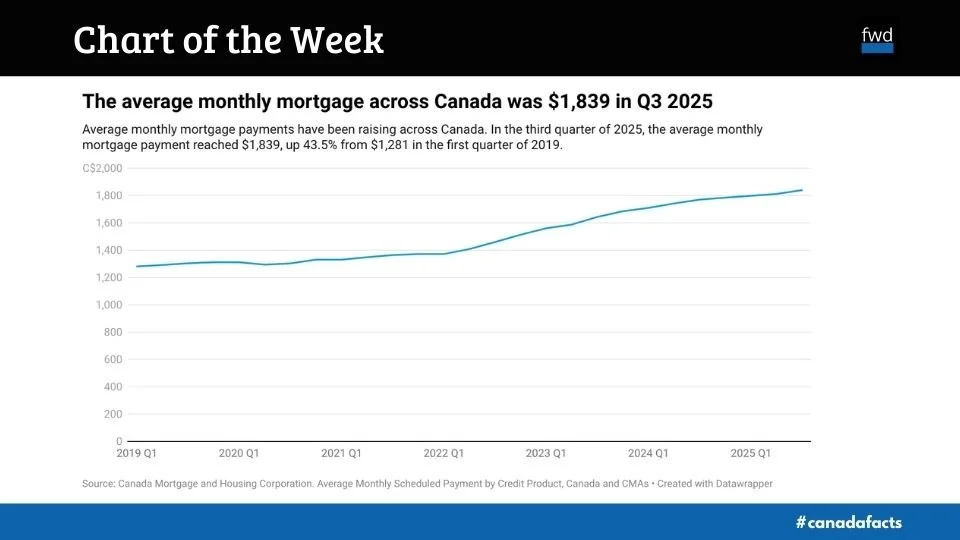
Average monthly mortgage payments keep rising
The average monthly mortgage payment across Canada reached $1,839 in the third quarter of 2025. Average monthly mortgage payments have been rising steadily since 2019, climbing 43.5% between the first quarter of 2019 and the third quarter of 2025.
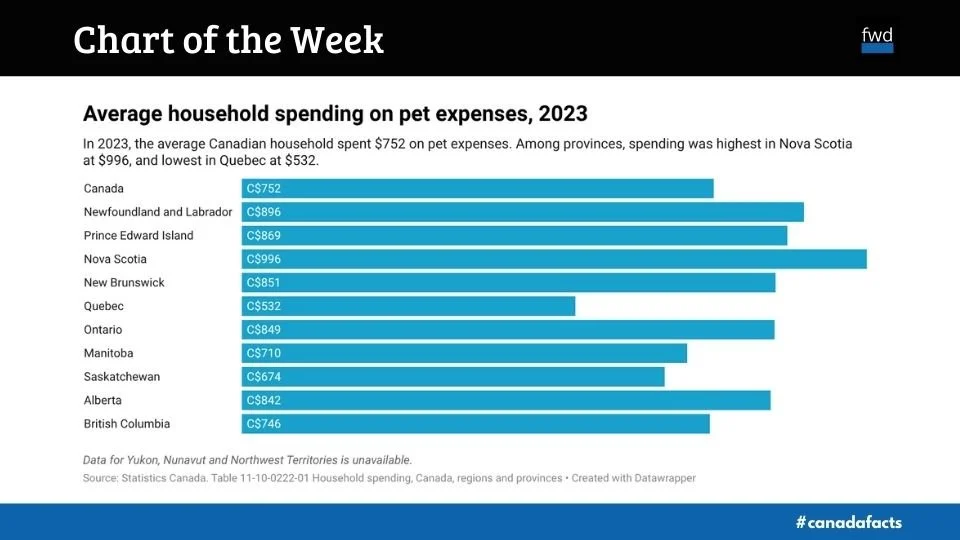
The average Canadian household spent $752 on pet expenses in 2023
In 2023, the average Canadian household spent $752 on pet expenses, which includes food and the cost of pet care (veterinary visits). Among provinces, average household pet expenses were highest in Nova Scotia at $996 and lowest in Quebec at $532.
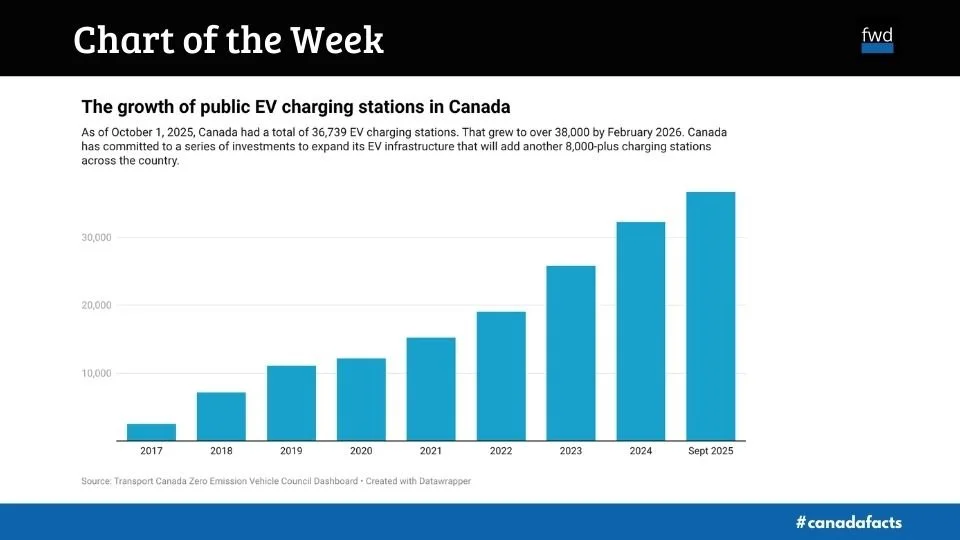
Canada’s EV charging station network is growing
Canada has committed to expanding its electric vehicle charging network. Since 2016, it has spent $1.2 billion to build out a network of more than 14,000 charging stations with 38,000-plus charging ports. It plans to scale this up over the next few years by adding more than 8,000 new charging locations. See how the network has grown since 2016.
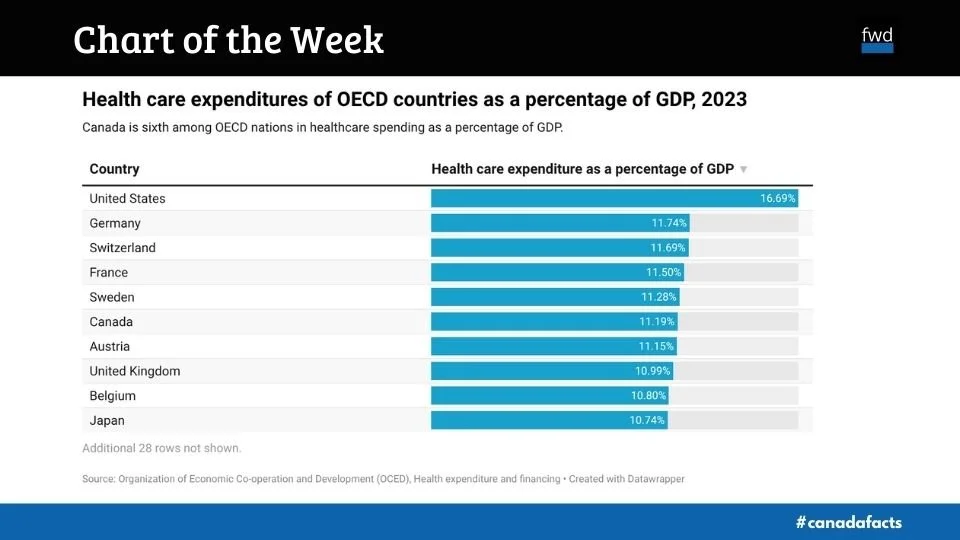
Canada among top spenders on health care
How and what countries spend money on provides insight into their priorities. In 2023, total health care spending in Canada represented 11.18% of its GDP, placing it sixth overall among OECD countries in overall health care spending as a percentage of GDP and puts it in a group of higher health care spending countries alongside France, Sweden, and the United Kingdom. See where other countries rank.
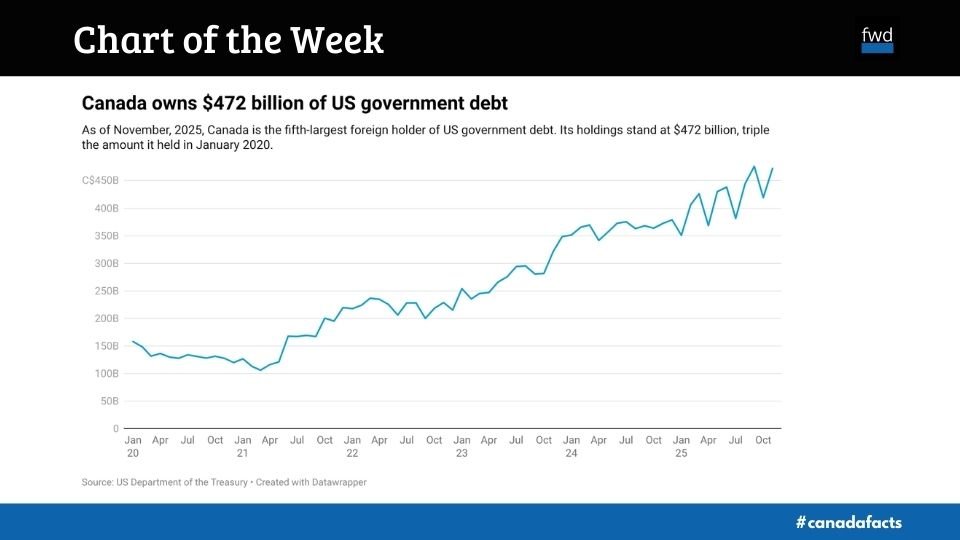
Canada is the fifth-largest holder of US debt
The US national debt stands at $37.64 trillion, about a quarter of which is owned by foreign countries through US Treasury Securities such as T-bills, T-notes, and Treasury bonds. As of November 2025, Canada is the fifth-largest foreign owner of US debt. See how Canada’s ownership of US debt has changed since 2020.
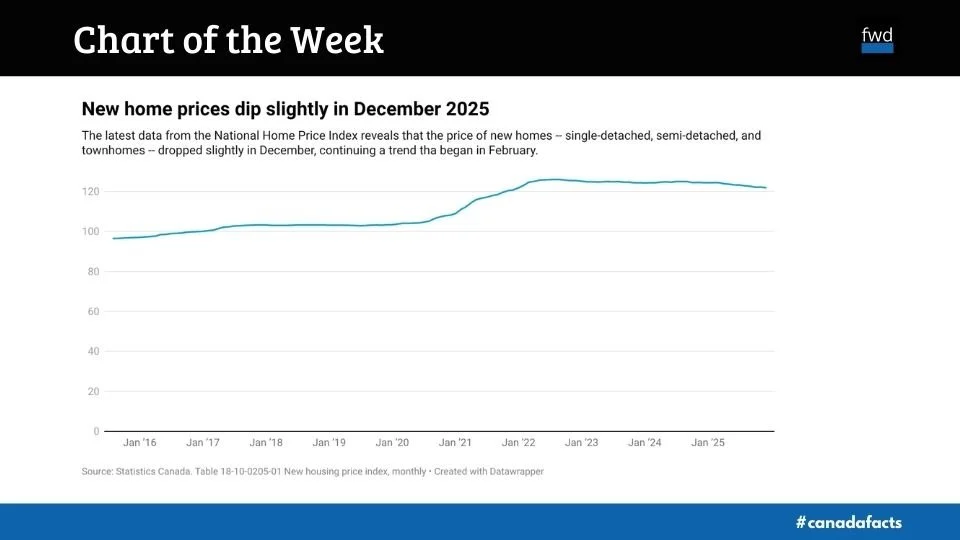
New home prices decline slightly in December
New home prices in Canada were down in December, continuing a downward trend that began at the beginning of the year. New home prices experienced monthly declines in 8 of the 12 months in 2025.
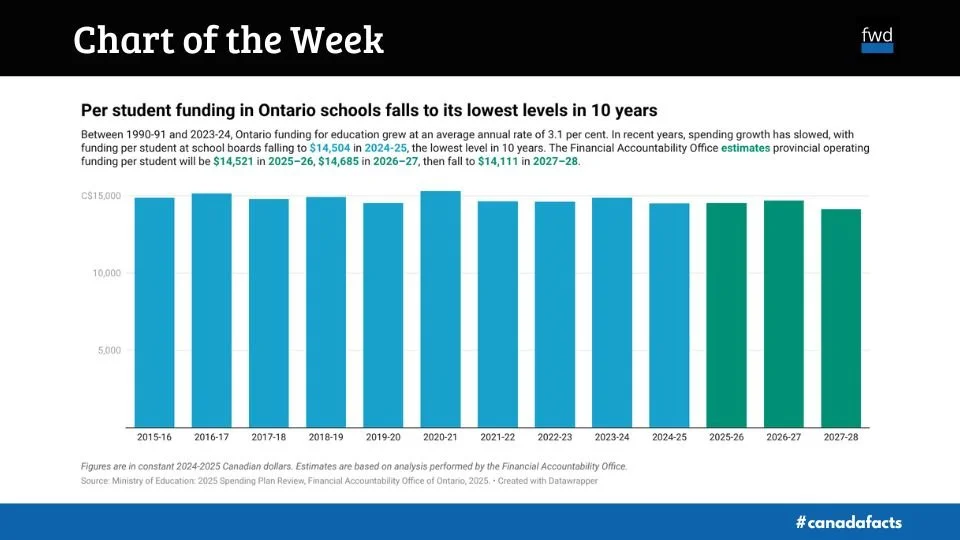
Per student funding in Ontario schools falls to its lowest levels in 10 years
Despite decades of growth, Ontario education funding per student has dropped to its lowest level in 10 years, with further declines expected.
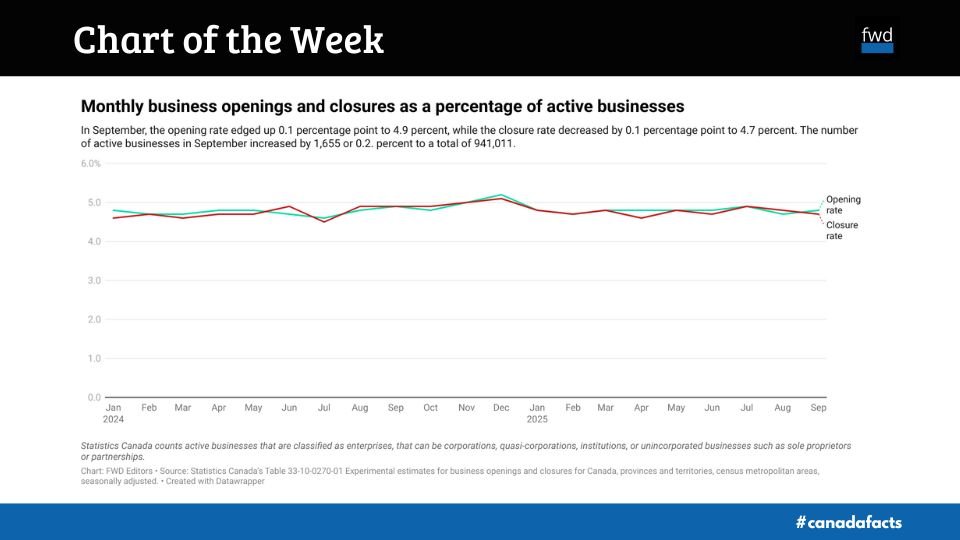
Number of active businesses in Canada edges up 0.2 percent in September
The number of active businesses is a good indicator of economic strength. Rising numbers of active businesses generally indicate economic expansion, while declines typically signal contraction. Explore the latest data from Statistics Canada to see how Canada’s doing.
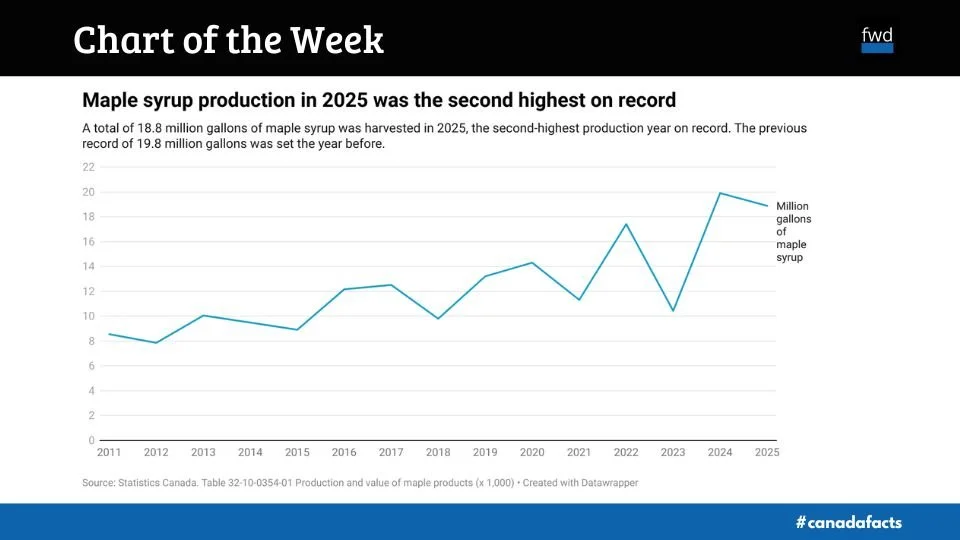
Maple syrup production in 2025 was the second highest on record
Favourable weather conditions in 2025 helped contribute to another good year for maple syrup producers. A total of 18.8 million gallons of maple syrup was harvested in 2025, the second-highest production year on record. The previous record of 19.8 million gallons was set the year before.
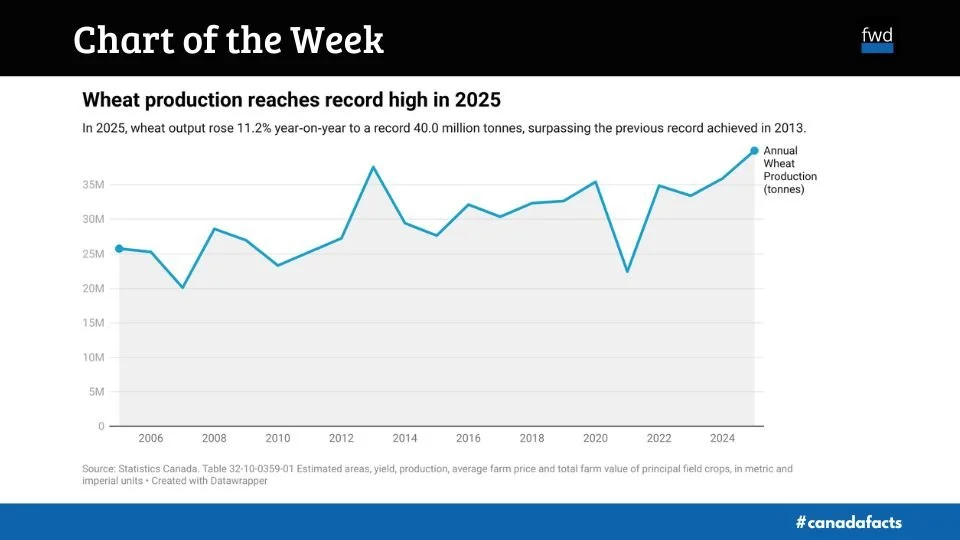
Canadian wheat production hits record high in 2025
Farmers had a productive 2025. Most crops reported higher output compared to the year before, with wheat reaching record highs. In 2025, Canada produced nearly 40 million tonnes, up 11.2% from 2024 and above the previous record set in 2013.
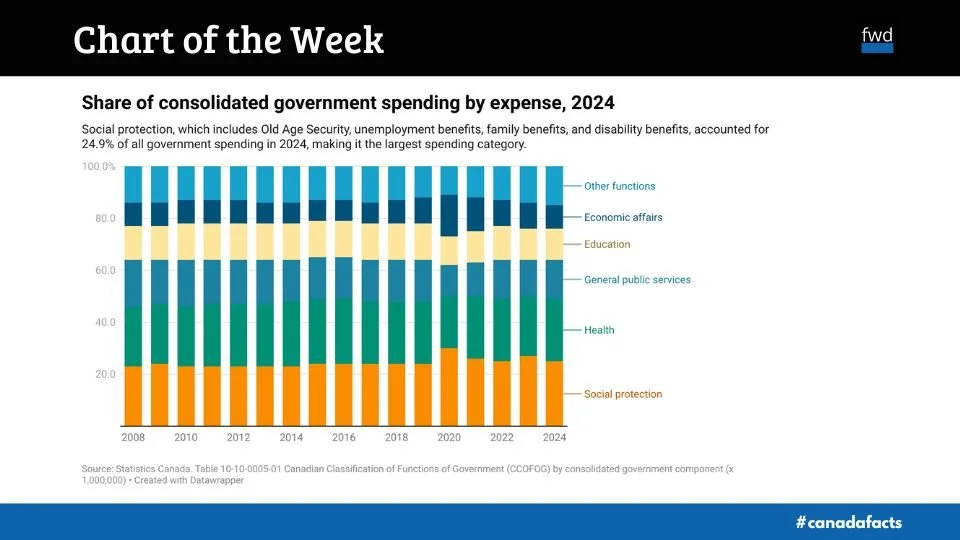
Canadian government spending reaches new high in 2024
Spending across all levels of government, including the federal, provincial, territorial, and other entities combined, reached an all-time high in 2024. Here’s a breakdown of how the money was spent.

How much are Canada’s natural resources worth?
Canada is a resource-rich nation with some of the world’s largest reserves of potash, oil, and critical minerals. In 2024, Canada’s natural resources were valued at $1.36 trillion, down 10% from the year before. Learn how the value of Canada’s natural resources has changed over the past decade.
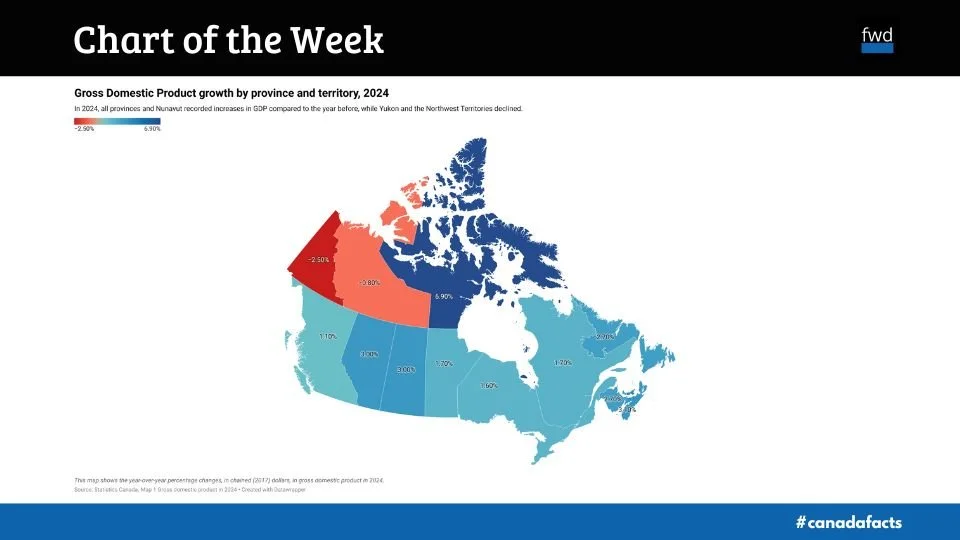
GDP rises in all provinces and in Nunavut in 2024
In 2024, all provinces and Nunavut recorded increases in GDP compared to the year before, while Yukon and the Northwest Territories declined. See which province or territory topped the list.

Bank of Canada cuts rates to 2.25%
Earlier this week, the Bank of Canada delivered another interest rate cut — the fourth one this year, and the second consecutive cut since September 2025 — lowering its overnight rate by 25 basis points to 2.25%.

Fewer Canadians are visiting the United States
In August 2025, Canadians made 2.25 million trips to the U.S., down 29.7% from 3.1 million recorded at the same time the year prior. There have been eight straight months of year-over-year decreases in travel to the U.S. by Canadian residents since the start of the year.

Unemployment rate in Canada remains stable
The unemployment rate in September 2025 was 7.1 percent, remaining steady and unchanged from the previous month. The unemployment rate has hovered within a narrow range between 6.9 and 7.1 percent since April.