Making sense of public data
No opinions, just straight facts. We sift through reams of public data from Statistics Canada, the World Bank, the United Nations, OECD, and more to explain the trends that matter.
40+
datasets
50+
articles
20+
sources
READ INSIGHTS
What the data reveals
CANADA




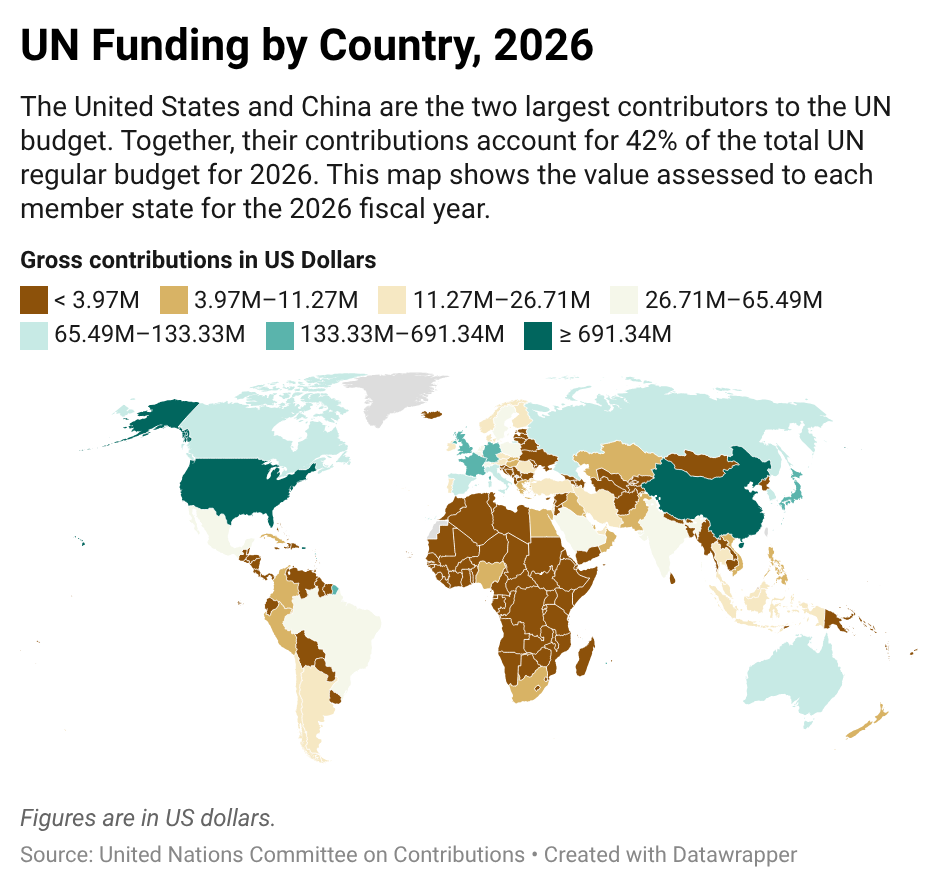
How is the United Nations funded?
On December 31, 2025, the UN General Assembly approved a regular budget of $3.45 billion for 2026. All members of the UN are required to contribute, but the amount varies. Learn who contributes the most and what happens when members fail to meet their financial obligations.
INTERNATIONAL

Explore data from around the world
GET THE DATA
Putting data about Canada into context
CANADA FACTS
ECONOMY






Ontario has an extensive public transit system, serviced by 106 municipal transit authorities and two provincial transit authorities, funded by revenues from fares and subsidies from municipal, provincial, and federal governments.
How is Ontario’s public transit system funded?

How many Canadians have Registered Retirement Savings Plans?
Many Canadians rely on additional sources of income, such as Registered Retirement Savings Plans or RRSPs, to fund their retirement. Learn how many Canadians have RRSPs.
POPULATION





HEALTH


ENVIRONMENT



CHART OF THE WEEK
Bite-sized insights, published every Friday
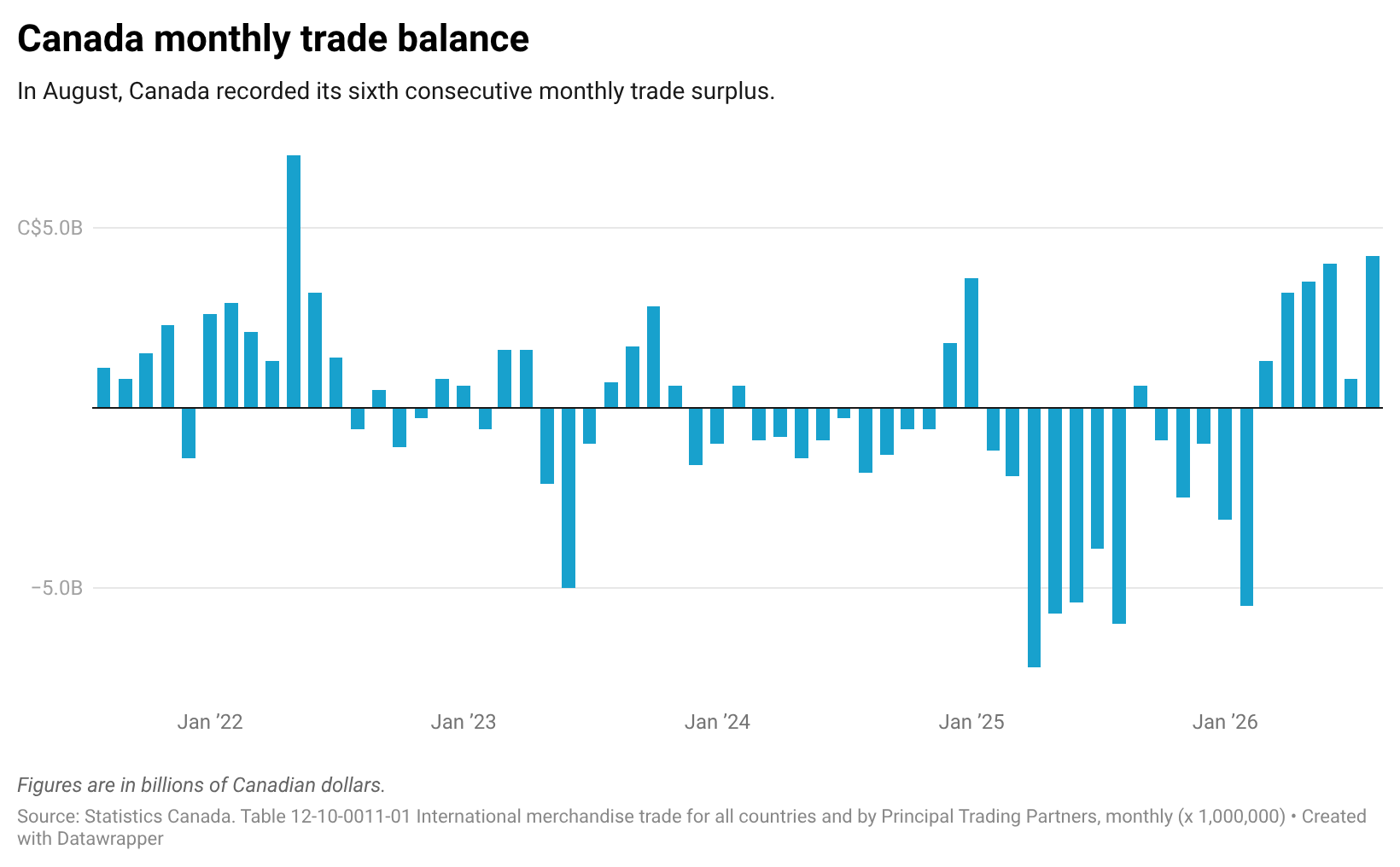
Canada records sixth consecutive monthly trade surplus
Canada recorded its sixth consecutive trade surplus in August, driven by higher exports and lower imports. That month, exports reached $77.8 billion while imports were valued at $73.7 billion for a trade surplus of $4.1 billion.
TRENDLINES
Exploring topics shaping the world








Ontario’s municipal elections have a major impact on everyday life, yet voter turnout remains significantly lower than in federal and provincial elections. See how turnout in municipal elections compares with federal and provincial elections, and which cities had the highest turnout during the 2022 elections.